Critique: Unraveling the Nuances of "The Subtle Art of Not Giving a F*ck" by Mark Manson
Mark Manson's "
The Subtle Art of Not Giving a F*ck" has garnered widespread acclaim for its unconventional approach to self-help. While the book has resonated with millions, it is not without its share of critiques. In this exploration, we dissect both the strengths and potential limitations of Manson's work, offering a nuanced perspective on this groundbreaking piece of literature.
1. Blunt Tone and Accessibility:
Strengths: Manson's blunt and irreverent writing style is a distinctive feature of the book, contributing to its accessibility. The straightforward language and candid tone break down complex concepts into digestible, relatable nuggets of wisdom. Readers appreciate Manson's authenticity and find the writing engaging, especially those who may have been put off by the often overly optimistic tone of traditional self-help literature.
Criticisms: Some readers, however, find the language overly abrasive or dismissive of genuine struggles. The directness may resonate more with certain personalities, while others might prefer a more nuanced and empathetic approach, particularly when dealing with sensitive topics such as mental health or trauma.
2. Simplification of Complex Concepts:
Strengths: Manson excels in distilling profound philosophical and psychological concepts into easily understandable ideas. The book's simplicity is a strength, making it accessible to a broad audience. Concepts like the Feedback Loop from Hell and the Subtle Art of Not Giving a F*ck provide practical frameworks for self-reflection and personal growth.
Criticisms: Some critics argue that the simplification of complex psychological theories may lead to an oversimplification of real-life challenges. The book's brevity and straightforwardness might not fully capture the depth and nuances of certain concepts, leaving readers craving more depth in their exploration of complex topics.
3. Individualistic Perspective:
Strengths: The emphasis on personal responsibility and choice resonates with readers seeking empowerment. Manson's focus on individual agency encourages a proactive approach to life's challenges. Readers appreciate the shift away from a victim mentality and the call to take ownership of one's choices.
Criticisms: The individualistic perspective may not fully account for systemic issues that individuals face, such as socioeconomic barriers, systemic discrimination, or mental health challenges. Critics argue that the book's emphasis on personal responsibility might oversimplify the complexities of certain life circumstances.
4. Lack of Nuance in Positivity Critique:
Strengths: Manson's critique of the pervasive positivity culture is a breath of fresh air for many readers. By challenging the unrealistic expectation of constant happiness, the book liberates individuals from societal pressures and fosters a more authentic approach to well-being.
Criticisms: Some argue that the critique of positivity culture lacks nuance. While the book successfully dismantles the myth of perpetual happiness, it might be perceived by some as swinging too far in the opposite direction. Striking a balance between embracing life's challenges and cultivating positive aspects could provide a more comprehensive approach to well-being.
5. Overemphasis on Selective Care:
Strengths: The concept of selective care, choosing what truly matters, is a cornerstone of Manson's philosophy. Readers find empowerment in the idea of prioritizing values and not getting bogged down by inconsequential matters. It encourages intentional living and a mindful approach to decision-making.
Criticisms: Some critics argue that the book's emphasis on selective care might be misconstrued as promoting indifference or detachment. While Manson advocates for conscious choices, there's a risk that readers may misinterpret the message and withdraw from important aspects of life, such as relationships or societal issues.
6. Lack of Diversity in Examples:
Strengths: Manson's use of personal anecdotes and stories adds a layer of authenticity to the book. Readers connect with the real-world examples that illustrate the application of the book's principles in everyday life.
Criticisms: A notable critique revolves around the lack of diversity in the examples provided. The book primarily draws from Manson's personal experiences, which may not fully resonate with readers from different cultural, socioeconomic, or demographic backgrounds. Including a more diverse range of examples could enhance the book's relatability.
7. Limited Exploration of Alternative Perspectives:
Strengths: Manson's unwavering commitment to his philosophy gives the book a cohesive and impactful narrative. The bold stance against certain self-help tropes contributes to the book's distinct voice.
Criticisms: Some readers argue that the book could benefit from a more balanced exploration of alternative perspectives. While Manson effectively challenges prevailing norms, providing a more comprehensive examination of different viewpoints might enhance the book's credibility and appeal to a wider audience.
8. Lack of Practical Application Guidance:
Strengths: Manson's book provides practical advice and frameworks for self-reflection, which many readers find valuable. The straightforward nature of the guidance allows for immediate application in various life situations.
Criticisms: Critics contend that the book could delve deeper into providing actionable steps and specific strategies for readers to implement the principles in their lives. More comprehensive guidance on the practical application of concepts might further enhance the book's utility for readers seeking tangible tools for personal development.
Conclusion:
"
The Subtle Art of Not Giving a F*ck" by Mark Manson is a polarizing yet impactful piece of literature that has left an indelible mark on the self-help genre. While the book's blunt tone and individualistic perspective resonate with many, its criticisms center around the potential oversimplification of complex concepts and the need for a more nuanced exploration of certain topics. As we navigate the subtle art of critique at Bookclues, we invite readers to engage in a thoughtful conversation about the strengths and limitations of Manson's work. Whether you resonate with its unconventional approach or find yourself challenging its assertions, the dialogue surrounding this book is a testament to its profound impact on readers' perspectives on life and personal growth.
Comparison with Other Self-Help Books: Navigating the Landscape of Personal Development
"
The Subtle Art of Not Giving a F*ck" by Mark Manson has carved a unique space within the expansive genre of self-help literature. In this comprehensive exploration, we delve into a comparative analysis of Manson's work alongside other notable self-help books. By examining common themes, divergent philosophies, and unique contributions, we aim to provide readers with a nuanced understanding of where "The Subtle Art" fits within the broader landscape of personal development literature.
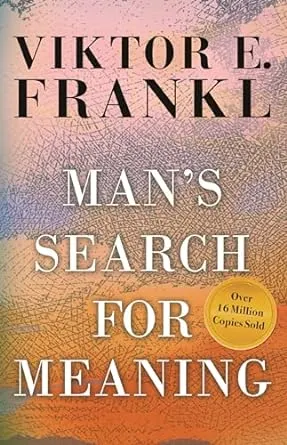
Common Themes: Both books touch upon existential themes and the pursuit of a meaningful life. Viktor Frankl's "
Man's Search for Meaning" draws on his experiences as a Holocaust survivor to explore the importance of finding purpose, even in the face of suffering. Similarly, Manson advocates for meaning over happiness, challenging readers to reevaluate their values.
Divergent Philosophies: While Frankl's work leans heavily on existential psychology and the power of finding purpose in suffering, Manson's philosophy is more pragmatic and grounded in everyday challenges. Frankl's focus on the search for transcendent meaning contrasts with Manson's emphasis on selecting meaningful values within the context of ordinary life.
Unique Contributions: "The Subtle Art" provides a more accessible and contemporary perspective on navigating life's challenges. Manson's direct and irreverent style contrasts with Frankl's more formal and academic approach, making the former more approachable for a broader audience.
Common Themes: Both books address the theme of personal development through intentional habits. James Clear's "
Atomic Habits" explores the power of small habits in creating significant changes, while Manson's work encourages readers to choose intentional values as a foundation for personal growth.
Divergent Philosophies: Clear's approach is more prescriptive, providing detailed strategies for habit formation, whereas Manson focuses on broader philosophical shifts and mindset changes. While "
Atomic Habits" provides a systematic guide, "The Subtle Art" offers a more overarching philosophy for navigating life.
Unique Contributions: Manson's work adds a layer of depth to the habit formation discussion by intertwining it with broader existential and philosophical considerations. While "
Atomic Habits" is practical and action-oriented, "The Subtle Art" provides a more holistic framework for personal development.
Common Themes: Both books touch upon aspects of interpersonal relationships and personal effectiveness. Carnegie's classic work focuses on communication and building positive connections, while Manson's book delves into the subtleties of choosing meaningful relationships and navigating conflicts authentically.
Divergent Philosophies: Carnegie's work is rooted in traditional self-help principles, emphasizing positive thinking and interpersonal skills. Manson, on the other hand, challenges certain self-help tropes and advocates for a more realistic and nuanced approach to personal development.
Unique Contributions: While Carnegie's book is a foundational text in interpersonal skills, "The Subtle Art" extends the conversation by addressing the importance of authenticity and selective care in relationships. Manson's work complements the classic teachings with a contemporary and unconventional perspective.
Common Themes: Both books explore the impact of mindset on personal development. Carol Dweck's "Mindset" introduces the concept of a fixed mindset versus a growth mindset, emphasizing the importance of cultivating a growth-oriented perspective. Manson's work, while not explicitly about mindset, encourages readers to adopt a mindset shift toward intentional living.
Divergent Philosophies: Dweck's focus is on the belief that abilities and intelligence can be developed through dedication and hard work. Manson, while acknowledging the importance of mindset, provides a broader philosophical framework that encompasses various aspects of life beyond achievement.
Unique Contributions: "The Subtle Art" complements the mindset discussion by integrating it into a broader exploration of values, adversity, and authenticity. Manson's work adds a layer of depth to the mindset conversation, making it part of a more comprehensive approach to personal development.
Common Themes: Both books delve into the concept of living in the present moment. Tolle's "
The Power of Now" emphasizes the transformative power of being present, while Manson's work touches upon the importance of embracing life's challenges and discomfort in the present.
Divergent Philosophies: Tolle's work leans heavily on spiritual and mindfulness teachings, advocating for a deep sense of presence. Manson's philosophy, while acknowledging the present, is more grounded in existential and pragmatic considerations.
Unique Contributions: "The Subtle Art" provides a counterpoint to the sometimes esoteric nature of mindfulness literature by offering a more relatable and actionable perspective. While Tolle's work explores the transcendental, Manson's work focuses on the tangible and the everyday.
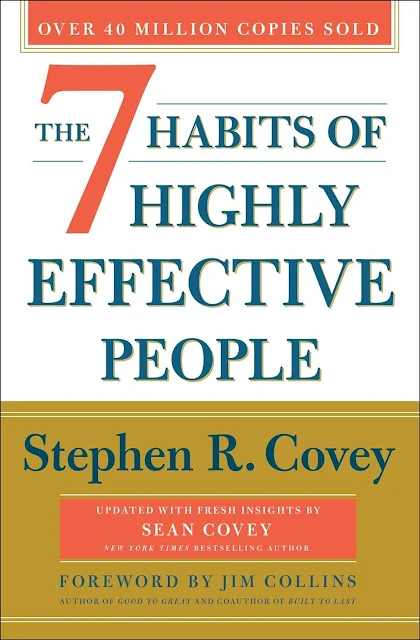
Common Themes: Both books address principles for personal effectiveness. Covey's "The 7 Habits" outlines foundational habits for success, while Manson's work provides a philosophical framework for intentional living and value-based decision-making.
Divergent Philosophies: Covey's approach is structured and provides a systematic guide to personal and professional effectiveness. Manson's work, while acknowledging habits, delves into a broader exploration of values, discomfort, and authenticity.
Unique Contributions: Manson's work complements Covey's principles by adding a layer of depth to the discussion. While "The 7 Habits" is practical and action-oriented, "The Subtle Art" offers a more overarching philosophy for personal development.
Conclusion:
"
The Subtle Art of Not Giving a F*ck" stands out in the landscape of self-help literature due to its unique blend of irreverent philosophy, practical wisdom, and unconventional approach. While it shares common themes with other notable works, such as the pursuit of meaning, intentional habits, and mindset shifts, Manson's book distinguishes itself by offering a more accessible and relatable perspective on navigating life's complexities. As readers explore the diverse landscape of personal development literature at Bookclues, the comparative analysis provides insights into the distinctive contributions of "The Subtle Art" and its place within the rich tapestry of self-help literature.
Recommendation: Navigating Life's Challenges with "The Subtle Art of Not Giving a F*ck"
Mark Manson's "
The Subtle Art of Not Giving a F*ck" is not just a book; it's a refreshing perspective that has left an indelible mark on the landscape of self-help literature. As we explore the nuances of this paradigm-shifting work at Bookclues, it becomes evident that Manson's philosophy transcends the conventional boundaries of motivational literature. In this recommendation, we delve into the reasons why "The Subtle Art" is not just a read but a transformative journey worth embarking upon.
1. Realism in the Pursuit of Happiness:
Manson's book stands out for its realistic and unfiltered approach to the pursuit of happiness. In a world inundated with messages of relentless positivity and the pursuit of constant joy, "The Subtle Art" offers a breath of fresh air. Manson doesn't promise a perpetual state of bliss but instead guides readers towards a more nuanced understanding of happiness—one that embraces the inherent struggles and challenges of life. If you are seeking a genuine and pragmatic approach to well-being, this book is a must-read.
2. Liberating Philosophy of Selective Care:
The philosophy of selective care is a game-changer for those overwhelmed by the constant noise of societal expectations. Manson's concept of choosing what truly matters and allocating our limited "f*cks" intentionally is liberating. It empowers readers to sift through the myriad of concerns vying for their attention and focus on what aligns with their authentic values. If you've ever felt bogged down by the weight of external expectations, Manson's philosophy provides a roadmap to reclaiming your agency and living life on your terms.
3. Authenticity in a Sea of Positivity:
In a genre often characterized by saccharine positivity, "The Subtle Art" stands as a beacon of authenticity. Manson's no-nonsense and irreverent style resonate with readers seeking substance over superficial affirmations. The book's critique of the prevailing positivity culture is a breath of fresh air, challenging the notion that constant happiness is the key to a fulfilling life. If you've ever felt disillusioned by the pressure to maintain a facade of perpetual joy, Manson's candid approach will speak to your soul.
4. Practical Wisdom Grounded in Reality:
Manson doesn't just offer lofty ideals; he provides practical wisdom grounded in the realities of everyday life. The book is rich with relatable anecdotes, real-world examples, and actionable advice. Whether you're grappling with personal relationships, professional challenges, or existential questions, Manson's insights offer a guiding light. If you appreciate self-help literature that transcends platitudes and delves into the nitty-gritty of navigating life's complexities, "The Subtle Art" is a treasure trove of practical wisdom.
5. Resilience in the Face of Adversity:
Manson's philosophy encourages resilience in the face of adversity. By embracing life's inevitable challenges and reframing discomfort as a catalyst for growth, readers are empowered to navigate setbacks with courage. If you've ever felt overwhelmed by life's difficulties and yearned for a perspective that transforms adversity into an opportunity for personal development, Manson's insights will resonate deeply.
6. Thought-Provoking Exploration of Values:
Central to Manson's philosophy is the exploration of values. The book challenges readers to identify and align their actions with personally meaningful values, fostering a sense of purpose and authenticity. If you find yourself grappling with questions of identity and purpose, "The Subtle Art" offers a thought-provoking journey of self-discovery. Manson's approach to values goes beyond superficial aspirations, encouraging readers to dig deep and forge a genuine connection with their intrinsic motivations.
7. Relationship Insights for Authentic Connections:
"The Subtle Art" extends its wisdom into the realm of relationships, offering insights that transcend superficial interactions. Manson's philosophy advocates for authenticity in personal connections, encouraging readers to choose compatible partners and navigate conflicts with honesty. If you're seeking guidance on building meaningful relationships that stand the test of time, Manson's relationship insights are a valuable resource.
8. Invitation to Embrace Discomfort and Growth:
In a society that often values comfort and convenience, Manson's invitation to embrace discomfort as a catalyst for growth is transformative. The book challenges the cultural obsession with constant ease and encourages readers to step outside their comfort zones. If you're ready to embark on a journey of personal development that transcends the familiar and invites you to explore the unknown, "The Subtle Art" provides a roadmap for embracing discomfort as a pathway to genuine growth.
9. Impactful Critique of Conventional Wisdom:
"The Subtle Art" doesn't shy away from critiquing conventional wisdom, making it a thought-provoking read for those seeking a departure from the status quo. Manson's dismantling of positivity culture and his emphasis on personal responsibility provide a refreshing counterpoint to prevailing self-help narratives. If you've ever questioned the one-size-fits-all approach to happiness and success, Manson's critique offers a compelling alternative perspective.
10. Enduring Relevance and Timeless Wisdom:
One of the hallmarks of a truly impactful book is its enduring relevance. "The Subtle Art" continues to resonate with readers across diverse backgrounds and generations. Manson's timeless wisdom transcends fleeting trends, offering a philosophy that stands the test of time. If you're in search of a book with lasting impact—something that you can revisit and glean new insights from over the years—"The Subtle Art" is a literary companion for the journey of a lifetime.
Conclusion:
"
The Subtle Art of Not Giving a F*ck" by Mark Manson is more than a book; it's a manifesto for intentional living, authenticity, and resilience. As we traverse the literary landscape at Bookclues, we wholeheartedly recommend Manson's work to those seeking a transformative journey. Whether you're a seasoned reader of self-help literature or just beginning your exploration, "The Subtle Art" invites you to embrace life's complexities, redefine your values, and navigate challenges with courage. Join us on a journey of introspection and empowerment, and discover the subtle art of living a life that truly matters.
Conclusion: Unveiling the Subtle Art of Living Authentically
As we conclude our exploration into the transformative pages of "
The Subtle Art of Not Giving a F*ck" by Mark Manson at Bookclues, it's evident that Manson's work is not just a book; it's a philosophical journey that challenges, empowers, and reshapes our understanding of personal development. In this concluding reflection, we encapsulate the essence of Manson's philosophy and the profound impact it has had on readers who have dared to embrace the subtle art of intentional living.
The Resonance of Authenticity:
Manson's "The Subtle Art" strikes a resonant chord with readers seeking authenticity in a world often clouded by superficiality. The book's raw and unfiltered narrative invites readers to shed the façade of constant positivity and embrace the authenticity that arises from acknowledging life's inevitable challenges. In a literary landscape crowded with idealized narratives, Manson's work stands as a testament to the enduring power of authenticity.
A Paradigm Shift in Perspective:
The philosophy embedded within these pages represents a paradigm shift—a departure from conventional self-help tropes towards a more pragmatic and relatable approach. Manson's irreverent tone and willingness to challenge established norms create a space for readers to question, reflect, and ultimately redefine their perspectives on success, happiness, and personal fulfillment.
Empowerment through Selective Care:
At the heart of Manson's philosophy lies the transformative concept of selective care. The subtle art of choosing what truly matters, of allocating our limited emotional resources intentionally, becomes a beacon of empowerment. Readers are invited to discard the unnecessary weight of societal expectations and focus on values that resonate authentically with their individual journeys.
Navigating Life's Complexities:
"The Subtle Art" is more than a guide; it's a compass for navigating the intricate terrain of life. Manson's insights on embracing discomfort, confronting adversity, and taking ownership of one's choices provide readers with practical wisdom for the inevitable challenges that life presents. It's a companion for those who seek not a smooth path, but a path worth traveling.
Balancing Positivity with Realism:
In critiquing the prevailing positivity culture, Manson introduces a refreshing balance—a recognition that life is a mosaic of both highs and lows. The book dismantles the illusion of perpetual happiness and invites readers to embrace the dichotomy of the human experience. In doing so, it cultivates a resilient mindset that is grounded in realism.
A Timeless Exploration of Values:
Manson's exploration of values extends beyond the pages of the book, echoing into the corridors of readers' lives. The invitation to identify and align actions with personally meaningful values becomes a compass for decision-making. It's a timeless exploration that transcends fleeting trends, offering a philosophy that remains relevant in the ever-evolving landscape of personal development.
Impact Beyond the Pages:
"The Subtle Art" is not confined to the boundaries of its covers; its impact reverberates beyond the reading experience. Readers find themselves questioning societal norms, making intentional choices, and navigating challenges with newfound resilience. Manson's work becomes a catalyst for personal growth, sparking conversations and reflections that extend into various facets of life.
The Art of Not Giving a F*ck:
Ultimately, the subtle art Manson unveils is not a call to indifference but a call to discernment. It's an invitation to redirect our attention to what truly matters and, in doing so, liberate ourselves from the burdens of societal expectations. The art lies in the conscious choice of where to invest our emotional energy, aligning our pursuits with values that resonate authentically with our unique journeys.
Invitation to the Bookclues Community:
As we conclude our exploration of "
The Subtle Art of Not Giving a F*ck," we extend an invitation to the Bookclues community. Join us in this transformative journey—a journey that goes beyond the realms of conventional self-help literature. Share your reflections, engage in discussions, and explore the nuances of intentional living. Whether you're a seasoned seeker of wisdom or embarking on your first foray into self-help literature, Manson's work invites you to embrace the subtle art of living a life that aligns with your values and resonates with authenticity.
In the Subtle Art, We Find the Profound:
In the pages of "
The Subtle Art of Not Giving a F*ck," Mark Manson doesn't just offer a book; he crafts a narrative that challenges, empowers, and transforms. It's a testament to the enduring power of literature—a power that extends beyond the act of reading into the realms of self-discovery and intentional living. As we bid farewell to this exploration at Bookclues, we carry with us the subtle art—an art that invites us to navigate life's complexities with authenticity, resilience, and a discerning heart.
Call to Action: Embrace the Subtle Art, Transform Your Life
As we wrap up our journey through the transformative pages of "
The Subtle Art of Not Giving a F*ck" by Mark Manson at Bookclues, we don't just conclude a book review; we extend an invitation. The call to action is not merely to close the book and move on but to embrace the subtle art and embark on a journey of intentional living. Here are tangible steps and an earnest call to action for our Bookclues community:
1. Reflect on Your Values:
Take a moment to reflect on your core values. What truly matters to you? Manson's philosophy encourages us to identify and align our actions with values that resonate authentically. Consider creating a list of your core values and use it as a guiding compass for your decisions and pursuits.
Action Step: Journal about your values and how they currently align with your life choices. Identify areas where you can make intentional adjustments.
2. Embrace Discomfort:
Challenge yourself to embrace discomfort as a catalyst for growth. Manson's insight into the transformative power of confronting adversity invites us to step outside our comfort zones. Seek out opportunities that push your boundaries and allow yourself to grow through discomfort.
Action Step: Set a specific goal or take on a challenge that pushes you out of your comfort zone. Reflect on the experience and the growth it brings.
3. Practice Selective Care:
Apply the philosophy of selective care to your daily life. Evaluate the areas where you invest your emotional energy and discern what truly deserves your "f*cks." Let go of unnecessary concerns and focus on what aligns with your values and long-term well-being.
Action Step: Identify one aspect of your life where you can practice selective care. Whether it's in relationships, work, or personal pursuits, consciously choose where to invest your emotional energy.
4. Share Your Insights:
Join the Bookclues community in sharing your insights and reflections on "The Subtle Art." Engage in discussions, comment on the blog post, or participate in our social media channels. Your unique perspective contributes to the collective wisdom of our community.
Action Step: Share a key takeaway or a personal anecdote related to the book on our blog or social media. Connect with others who resonate with your insights.
5. Cultivate Authentic Connections:
Apply Manson's relationship insights to cultivate more authentic connections. Evaluate your personal relationships and assess whether they align with your values. Foster connections that contribute positively to your life.
Action Step: Reach out to someone in your life with authenticity. Share your thoughts, feelings, or experiences openly, fostering a deeper and more meaningful connection.
6. Read and Share More Books:
Expand your literary horizons by exploring more books that align with your journey of personal development. Share your reading list with the Bookclues community and discover new titles that resonate with your interests.
Action Step: Create a list of books that complement "The Subtle Art." Share your recommendations on our platform and discover new reads from fellow community members.
7. Attend Bookclues Events:
Stay engaged with the Bookclues community by attending events, webinars, or discussions related to personal development literature. Connect with like-minded individuals, exchange ideas, and enrich your understanding of intentional living.
Action Step: Check our events calendar and participate in upcoming Bookclues events. Engage in discussions, ask questions, and build connections within our community.
8. Live the Subtle Art Daily:
Integrate the subtle art into your daily life. Use Manson's philosophy as a daily guide for decision-making, resilience, and intentional living. The transformative power lies not just in reading the book but in embodying its principles.
Action Step: Choose one principle from "The Subtle Art" and consciously apply it to your daily life for the next month. Track your experiences and observe the impact on your overall well-being.
Conclusion: Be the Change, Live the Art:
The call to action is an invitation to not only absorb the wisdom within "
The Subtle Art of Not Giving a F*ck" but to actively apply its principles and share your journey with the Bookclues community. Embrace the subtle art, transform your life, and become an integral part of a community dedicated to intentional living and authentic growth. Together, let's navigate the complexities of life with courage, resilience, and the discerning heart of someone who has embraced the subtle art.





.jpg)

.jpg)


.png "The Four Agreements: A Practical Guide to Personal Freedom (A Toltec Wisdom Book)")


 Audiobook

.png "The Subtle Art of Not Giving a F*ck\" by Mark Manson")

.png "The Subtle Art of Not Giving a F*ck\" by Mark Manson")

.png "The Subtle Art of Not Giving a F*ck\" by Mark Manson")

.png "The Subtle Art of Not Giving a F*ck\" by Mark Manson")

.png "The Subtle Art of Not Giving a F*ck\" by Mark Manson")
.png "The Subtle Art of Not Giving a F*ck\" by Mark Manson")

.png "The Subtle Art of Not Giving a F*ck\" by Mark Manson")

.png "The Subtle Art of Not Giving a F*ck\" by Mark Manson")

.png "The Subtle Art of Not Giving a F*ck\" by Mark Manson")

.png "The Subtle Art of Not Giving a F*ck\" by Mark Manson")
.png "The Subtle Art of Not Giving a F*ck\" by Mark Manson")

.png "The Subtle Art of Not Giving a F*ck\" by Mark Manson")

.png "The Subtle Art of Not Giving a F*ck\" by Mark Manson")

.png "The Subtle Art of Not Giving a F*ck\" by Mark Manson")

.png "The Subtle Art of Not Giving a F*ck\" by Mark Manson")

.png "The Subtle Art of Not Giving a F*ck\" by Mark Manson")