"The Power of Now" by Eckhart Tolle

In a world marked by perpetual motion and relentless distractions, finding solace in the present moment seems like an elusive pursuit. Amid the cacophony of past regrets and future anxieties, Eckhart Tolle's seminal work, "The Power of Now," emerges as a beacon of timeless wisdom. 

As we delve into the transformative pages of this spiritual guide, we invite you to explore not just a book but a pathway to profound self-discovery and unshakable presence.

"The Power of Now" by Eckhart Tolle

"The Power of Now" by Eckhart Tolle


Why To Read The Book: "The Power of Now" by Eckhart Tolle

  • A Gateway to Presence: The Power of Now is an invitation to step out of the incessant stream of thoughts and immerse yourself in the richness of the present moment. Tolle's teachings serve as a gateway, offering a profound shift from a mind-dominated existence to one anchored in the now.
  • Escape the Chains of Time: For those ensnared by the chains of time—dwelling on past mistakes or fearing an uncertain future—this book is a guide to liberation. Tolle dismantles the illusions of time, allowing readers to break free from the shackles that hinder authentic living.
  • Mindfulness Beyond the Buzzwords: Move beyond the buzzwords of mindfulness, and immerse yourself in practical applications. Tolle's teachings demystify mindfulness, providing tangible tools for embracing the present moment and cultivating a state of heightened awareness.
  • Discover Inner Stillness: Within the chaos of modern life, The Power of Now unveils the path to inner stillness. Tolle's insights guide readers toward a profound sense of tranquility, offering a respite from the noise of external pressures and internal chatter.
  • Embrace True Joy: Tolle reveals that true joy is not found in the pursuit of external achievements but in embracing the simplicity of being. The book serves as a compass for those seeking genuine and lasting joy rooted in the essence of the present.
  • Spiritual Awakening for All: Regardless of one's spiritual background, Tolle's teachings transcend religious boundaries. This book is recommended for individuals on a journey of spiritual awakening, providing universal principles that resonate with seekers from diverse walks of life.
  • Navigate Life's Challenges: Life's challenges become more manageable when approached from a place of presence. Tolle's teachings equip readers with the tools to navigate difficulties with clarity, resilience, and a deep sense of purpose.
  • Enhance Relationships through Presence: The Power of Now extends its transformative influence to the realm of relationships. Discover how being fully present can enrich connections, fostering a depth of understanding and communication that transcends the ordinary.
"The Power of Now" by Eckhart Tolle

"The Power of Now" by Eckhart Tolle


Recommendations: Embrace the Wisdom, Embark on the Journey

  • Create a Sacred Reading Space: Designate a quiet and comfortable space for reading, free from distractions. Allow this space to become a sanctuary for absorbing Tolle's teachings with a focused and open mind.
  • Practice Mindful Reading: As you read, practice mindfulness by fully immersing yourself in each word and concept. Tolle's teachings are not merely intellectual; they are experiential. Let each page be a step toward embodying the essence of presence.
  • Integrate Stillness into Your Routine: Incorporate moments of stillness into your daily routine. Whether through meditation, nature walks, or mindful breathing, actively practice being present. These moments serve as anchors in the ebb and flow of daily life.
  • Engage in Reflective Journaling: Keep a journal to document your insights, reflections, and experiences as you progress through the book. Journaling can deepen your understanding and serve as a valuable tool for self-discovery.
  • Join or Form a Reading Circle: Consider joining a book club or forming a reading circle focused on The Power of Now. Engaging in discussions with others can provide diverse perspectives and enrich your understanding of Tolle's teachings.
  • Attend Mindfulness Workshops: Explore local mindfulness workshops or events that align with the themes of The Power of Now. Attendees often share insights and experiences that can enhance your own journey of present living.
  • Apply Presence in Relationships: Experiment with applying the principles of presence in your relationships. Notice how being fully engaged in conversations and interactions enhances the quality of your connections with others.
  • Revisit and Reflect Regularly: Tolle's teachings are multi-layered, revealing new insights upon revisiting. Regularly revisit key passages and reflect on their relevance to your life. Allow the teachings to unfold progressively.
  • Share and Discuss with Loved Ones: Share the wisdom you gain from The Power of Now with friends, family, or loved ones. Discussing the concepts with others can deepen your understanding and create a shared journey toward presence.
  • Live Each Moment with Awareness: Ultimately, let the teachings of The Power of Now permeate your life. Live each moment with heightened awareness, embracing the power of now as a guiding principle for personal growth, inner peace, and authentic living.
"The Power of Now" by Eckhart Tolle

"The Power of Now" by Eckhart Tolle


Embark on this transformative journey with Eckhart Tolle's The Power of Now, and discover the profound impact that presence can have on every aspect of your existence. May this book be more than words on pages; may it be a guide to living fully, authentically, and in alignment with the timeless essence of now.

on Sunday, December 31, 2023 | | A comment?

"The Power of Now" by Eckhart Tolle

In a world consumed by the relentless tick-tock of time, Eckhart Tolle's "The Power of Now" emerges as a profound guide, inviting readers to transcend the limitations of past and future and immerse themselves in the richness of the present moment. With "The Power of Now" as our compass, this transformative journey beckons us to awaken from the slumber of routine, challenging us to embrace life's symphony unfolding in the immediacy of now.


As we dive into Tolle's teachings, we discover more than just a book; we encounter a wise companion steering us through the intricacies of mindfulness and spiritual enlightenment. Tolle, a luminary in the realm of spiritual thought, shares not only timeless wisdom but also the very essence of his own journey, adding a human touch to the profound teachings within these pages. Through eloquent prose and compassionate insights, Tolle's words resonate with a universal truth, urging us to shed the burdens of the past and the anxieties of the future, and to savor the beauty of the present, where life's true power resides.


Join me as we explore the pages of "The Power of Now," unraveling its secrets and uncovering the transformative potential that lies within the simple yet profound act of being present.

"The Power of Now" by Eckhart Tolle
"The Power of Now" by eckhart Tolle


Why Read "The Power of Now"


1. Embracing Present Joy:
  • Discover the profound joy that exists in the present moment.
  • Learn to appreciate life's beauty, unencumbered by the burdens of the past or the anxieties of the future.

2. Liberation from Mental Chatter:
  • Gain insights into quieting the incessant noise of the mind.
  • Eckhart Tolle provides practical techniques to free yourself from the grip of overthinking, promoting mental peace.

3. Spiritual Enlightenment Unveiled:
  • Explore the depths of spiritual enlightenment through Tolle's guidance.
  • Understand the transformative power of being present and its profound impact on your spiritual journey.

4. Overcoming Egoic Patterns:
  • Tolle offers a roadmap to transcend egoic patterns that hinder personal growth.
  • Understand how living in the now dismantles the ego's stronghold, fostering personal evolution.

5. Stress Reduction and Inner Calm:
  • Learn techniques to reduce stress by grounding yourself in the present.
  • Cultivate inner calm amid life's challenges through Tolle's teachings on mindfulness.

6. Realizing Your True Self:
  • The book serves as a mirror, reflecting the truth of your authentic self.
  • Gain insights into self-discovery and self-realization, unlocking the door to your true essence.

7. Transforming Relationships:
  • Explore how presence can revolutionize your interactions with others.
  • Tolle's wisdom helps navigate relationships with a newfound depth, fostering understanding and compassion.

8. Practical Guidance for Daily Living:
  • Receive practical advice on integrating mindfulness into your daily routine.
  • Tolle's teachings offer actionable steps for applying the power of now in various aspects of life.

9. Universal Relevance:
  • Regardless of background or beliefs, Tolle's message resonates universally.
  • The Power of Now transcends cultural and religious boundaries, making it accessible and impactful for a diverse audience.

10. A Journey of Transformation:
  • Immerse yourself in a transformative journey guided by Eckhart Tolle.
  • Experience personal growth, spiritual awakening, and a renewed perspective on life through the pages of "The Power of Now."

In essence, "The Power of Now" is not just a book; it's a guide to living a fuller, richer life. Its teachings, rooted in the simplicity of the present moment, offer a pathway to profound personal transformation. Embrace the human touch within Tolle's words and embark on a journey to discover the extraordinary power that lies within the ordinary moments of now.


About the Author: Eckhart Tolle

"The Power of Now" by Eckhart Tolle
Eckhart tolle


  • A Spiritual Guide: Eckhart Tolle, born in Germany in 1948, is a renowned spiritual teacher and author.
  • Personal Transformation: Tolle's own journey from despair to enlightenment forms the foundation of his teachings in "The Power of Now."
  • The Power of Presence: Having experienced a profound spiritual awakening at the age of 29, Tolle dedicated his life to sharing the transformative power of living in the present moment.
  • Global Impact: With a gentle and compassionate demeanor, Tolle has captivated audiences worldwide through lectures, workshops, and his writing.
  • Beyond Dogma: Tolle's teachings transcend religious dogma, embracing universal spiritual principles that resonate with people from diverse backgrounds.
  • Bestselling Author: "The Power of Now" catapulted Tolle to international acclaim, becoming a bestseller and a spiritual classic.
  • Human Connection: Tolle's writing carries a profound human touch, reflecting his genuine desire to alleviate suffering and guide others toward inner peace.
  • Continued Contribution: Beyond "The Power of Now," Tolle continues to inspire with subsequent works, including "A New Earth" and "Stillness Speaks."

Eckhart Tolle's personal journey and his commitment to sharing the transformative potential of presence make "The Power of Now" not just a book but a compassionate guide on the path to inner freedom and enlightenment.


Message of the Book: Embracing the Profound Power of Now

  • Present Moment Awareness: "The Power of Now" is a gentle yet powerful invitation to anchor oneself in the present moment, escaping the shackles of past regrets and future anxieties.

  • Transcending Ego: Eckhart Tolle explores the destructive nature of the ego and provides guidance on transcending it, fostering a profound shift in consciousness.

  • Spiritual Enlightenment: The book is a roadmap to spiritual awakening, encouraging readers to look beyond the surface of daily existence and connect with their true essence.

  • Freedom from Mental Turmoil: Tolle's teachings delve into the liberation from incessant mental chatter, offering practical tools to attain inner peace and mental clarity.

  • Conscious Living: "The Power of Now" advocates for a conscious and mindful approach to life, empowering individuals to make choices rooted in awareness rather than conditioned reactions.

  • Transformation of Relationships: Tolle explores how presence can revolutionize relationships, leading to deeper connections and understanding.

  • Universal Relevance: The book transcends cultural and religious boundaries, offering a universal message that resonates with individuals seeking meaning and purpose.

  • Human Connection: Through profound insights and relatable anecdotes, Tolle infuses a human touch into the spiritual teachings, making them accessible and applicable to everyday life.

"The Power of Now" extends beyond a mere philosophical discourse; it's a compassionate guide, encouraging readers to experience the transformative potential within the simplicity of the present moment. In Tolle's words, the book becomes a companion on the journey to self-discovery and a source of inspiration for living a life of profound authenticity and joy.


Audiobook


"The Power of Now" by Eckhart Tolle


Chapters of the Book: A Journey Through "The Power of Now"


1. The Power of Now: 
  • An IntroductionTolle introduces the concept of the "power of now," emphasizing the transformative potential of living fully in the present moment.
  • Through personal anecdotes, Tolle shares his own awakening, making the abstract idea relatable to readers.

2. The State of Presence
  • Explores the essence of presence and how it liberates individuals from the grip of the past and future.
  • Tolle's gentle guidance and encouragement provide a comforting companion on the path to embracing presence.

3. The Role of the Mind
  • Examines the nature of the mind and the incessant thought patterns that hinder present-moment awareness.
  • Tolle's insights into the common challenges of quieting the mind create a sense of shared humanity among readers.

4. Eckhart Tolle's Journey to Enlightenment
  • Provides a glimpse into Tolle's personal journey, showcasing the struggles and epiphanies that led to his spiritual awakening.
  • Tolle's vulnerability and authenticity create a connection, inspiring readers on their own path of self-discovery.

5. Dissolving the Ego
  • Explores the destructive nature of the ego and offers practical guidance on transcending it.
  • Tolle's compassion shines through as he navigates the complexities of the ego, helping readers navigate their own egoic patterns.

6. Mindfulness in Everyday Life
  • Discusses the integration of mindfulness into daily activities, emphasizing the simplicity of being fully present in mundane tasks.
  • Tolle's down-to-earth approach makes mindfulness accessible, showing how it can be woven into the fabric of everyday life.

7. Beyond Thought: Finding the Stillness Within
  • Guides readers to a place beyond thought, where the true essence of being resides.
  • Tolle's poetic prose evokes a sense of stillness, inviting readers to experience the tranquility within themselves.

8. Transforming Relationships Through Presence
  • Explores the impact of presence on relationships, fostering deeper connections and understanding.
  • Tolle shares practical insights and relatable stories, making the teachings applicable to the complexities of human interactions.

9. Enlightenment and the Now
  • Takes readers on a journey to the core of enlightenment, highlighting the inseparable connection between spiritual awakening and the present moment.
  • Tolle's profound wisdom is grounded in the human experience, bridging the gap between the mystical and the tangible.

10. A New Earth: Applying the Teachings
  • Expands on the practical application of the teachings, encouraging readers to bring the power of now into all aspects of life.
  • Tolle offers a roadmap for sustainable transformation, fostering a sense of hope and empowerment.

"The Power of Now" unfolds as a tapestry of wisdom, weaving together practical insights and profound spirituality. Each chapter serves as a stepping stone, guiding readers through the nuances of living in the now, with Eckhart Tolle as a compassionate guide, sharing not only teachings but the very essence of his own human experience.

"The Subtle Art of Not Giving a F*ck" by Mark Manson

Why To Read The Book: "The Subtle Art of Not Giving a F*ck"

  • Raw Authenticity: Mark Manson's writing is refreshingly honest and raw. He doesn't sugarcoat the challenges of life, providing readers with a genuine perspective that deviates from the often idealized narratives found in self-help literature.
  • Pragmatic Philosophy: Unlike many self-help books that focus on constant positivity, "The Subtle Art" offers a pragmatic philosophy. Manson encourages readers to embrace life's uncertainties, confront discomfort, and find meaning in personal responsibility.

The Subtle Art of Not Giving a F*ck" by Mark Manson


The Subtle Art of Not Giving a F*ck" by Mark Manson Full Audiobook


  • Selective Care Concept: The book introduces the concept of selective care, urging readers to prioritize what truly matters. This philosophy empowers individuals to allocate their emotional energy intentionally, resulting in more meaningful and fulfilling lives.
  • Relatable Anecdotes: Manson's use of relatable anecdotes and real-world examples makes the book accessible. Readers find themselves nodding along with stories that mirror their own experiences, creating a connection that goes beyond abstract theories.
  • Critique of Positivity Culture: In a culture saturated with positivity, Manson's critique is a breath of fresh air. The book challenges the notion that constant happiness is the key to a fulfilling life, offering a counterpoint that resonates with those seeking a more nuanced perspective.
  • Practical Wisdom: "The Subtle Art" is not just philosophical; it's practical. Manson provides actionable advice and wisdom that readers can implement in their daily lives. The book transcends theoretical discussions, offering tangible steps for personal growth.
  • Navigating Adversity: Manson's insights on embracing discomfort and navigating adversity are particularly impactful. Readers find guidance on how to confront challenges with resilience and view setbacks as opportunities for growth.
  • Timeless Relevance: The book's enduring relevance is evident in its ability to transcend cultural and generational boundaries. Manson's timeless wisdom continues to resonate with readers, making it a valuable resource for individuals at different stages of life.

The Subtle Art of Not Giving a F*ck" by Mark Manson

The Subtle Art of Not Giving a F*ck" by Mark Manson


Recommendations: Navigating Life's Complexity with "The Subtle Art of Not Giving a F*ck"


Mark Manson's "The Subtle Art of Not Giving a F*ck" is a transformative journey into the realm of intentional living and authentic self-discovery. As avid readers and seekers of wisdom, we wholeheartedly recommend this book for individuals navigating the complexities of life. 

Here are our key recommendations for diving into Manson's insightful work:

1. For Those Seeking Authenticity:

If you're tired of self-help literature that offers only surface-level positivity, "The Subtle Art" is a breath of fresh air. Manson's raw authenticity resonates with those yearning for a more honest and unfiltered perspective on personal development.

2. For Individuals Ready to Embrace Discomfort:

If you're open to the idea that growth often comes from discomfort, this book is your guide. Manson challenges the notion of constant ease and invites readers to embrace the subtle art of navigating life's challenges with courage and resilience.

3. For Readers Questioning Traditional Success Narratives:

If you've ever felt disillusioned by societal expectations and the relentless pursuit of traditional success, Manson's philosophy provides a compelling alternative. This book is for those questioning the conventional definition of a "good life" and seeking a more personalized path.

4. For Those Interested in Practical Wisdom:

If you appreciate self-help literature that goes beyond theoretical discussions and offers actionable advice, "The Subtle Art" is a valuable resource. Manson's practical wisdom provides readers with tangible steps for personal growth and intentional living.

5. For Anyone Navigating Relationship Challenges:

If you're grappling with the complexities of personal relationships, Manson's insights extend into the realm of connections. The book offers valuable perspectives on building authentic and meaningful relationships, making it a recommended read for those navigating the intricacies of human connection.

6. For Readers Open to a Philosophical Shift:

If you're open to a philosophical shift in your approach to life, "The Subtle Art" is a catalyst for transformation. Manson's exploration of values, resilience, and the art of selective care challenges readers to reconsider their priorities and navigate life with a discerning mindset.

7. For Those Curious about Stoic and Existentialist Principles:

If you have an interest in philosophical principles, particularly stoicism and existentialism, Manson's work provides a modern interpretation. "The Subtle Art" weaves these timeless philosophies into a contemporary narrative, making it accessible and relevant to a broad audience.

8. For Individuals Ready to Challenge Conventional Wisdom:

If you've ever questioned the one-size-fits-all approach to happiness and success, Manson's critique of conventional wisdom offers a thought-provoking perspective. This book is for those ready to challenge societal norms and forge a path aligned with their unique values.

9. For Readers Seeking Lasting Impact:

If you're in search of a book with lasting impact—something that goes beyond temporary inspiration and offers enduring wisdom— "The Subtle Art" is a literary companion for the journey of a lifetime. Manson's timeless insights make this book a valuable addition to your personal development library.

10. For the Bookclues Community:

If you're a member of the Bookclues community, join us in the collective exploration of "The Subtle Art of Not Giving a F*ck." Share your reflections, engage in discussions, and connect with fellow readers who resonate with Manson's philosophy. Together, let's navigate the subtle art of intentional living and authentic growth.

Conclusion: 

"The Subtle Art of Not Giving a F*ck" is more than a book recommendation; it's an invitation to embark on a transformative journey. Whether you're a seasoned reader of self-help literature or just beginning your exploration, Manson's work beckons you to embrace life's complexities, redefine your values, and navigate challenges with courage. Join us at Bookclues on a journey of introspection and empowerment, and discover the subtle art of living a life that truly matters.

"The Subtle Art of Not Giving a F*ck" by Mark Manson

"The Subtle Art of Not Giving a F*ck" by Mark Manson


The Subtle Art of Not Giving a F*ck" by Mark Manson

Welcome to Bookclues, where we unravel the profound wisdom within the pages of impactful literature. In this pillar book review, we delve into the transformative insights of "The Subtle Art of Not Giving a F*ck" by Mark Manson. As a beacon in the self-help genre, this book challenges the conventional narrative of positivity-centric life advice, offering a refreshing and pragmatic approach to navigating the complexities of existence.

Mark Manson, a renowned author and philosopher of the modern age, guides readers through a journey of self-discovery, urging them to reassess their values and redefine success. In a world obsessed with relentless positivity, Manson's candid and unapologetic prose encourages readers to embrace life's inevitable struggles and find meaning in the midst of chaos.

Manson's philosophy centers on the idea that a fulfilling life is not about avoiding adversity but rather choosing where to direct our limited time and energy. In this introduction, we set the stage for an in-depth exploration of the book's core principles, promising readers a nuanced understanding of how "The Subtle Art of Not Giving a F*ck" can be a compass for a more purposeful and authentic existence. Join us on this literary journey as we unravel the subtle art of living a life that truly matters.

The Subtle Art of Not Giving a F*ck" by Mark Manson


Author Background: Mark Manson - Beyond the F*cks

Mark Manson, the enigmatic author behind "The Subtle Art of Not Giving a F*ck," is not your typical self-help guru. Born on March 9, 1984, in Austin, Texas, Manson has charted an unconventional path to becoming a bestselling author, blogger, and life philosopher. Delving into his background is essential to understanding the roots of the impactful messages he shares in his book.

Early Years: 

Raised in a middle-class family, Manson's formative years were marked by a rebellious spirit and a disdain for conformity. His early exposure to the alternative music scene and counterculture ideologies influenced his worldview, setting the stage for the nonconformist principles he later expounds. Manson's struggles with conformity and societal expectations during adolescence planted the seeds for the themes explored in his writing.

Educational Journey: 

Manson's intellectual curiosity led him to pursue a degree in Finance from Boston University. However, his dissatisfaction with the conventional pursuit of success in the corporate world prompted him to pivot towards a more meaningful and unconventional career. Manson's foray into the world of dating advice and relationship counseling, documented in his earlier works, showcased his initial exploration of self-improvement themes.

Blogging and Online Presence: 

In the mid-2000s, Manson established himself as a prominent blogger, creating a platform to share his thoughts on life, relationships, and personal development. His writing, characterized by a blunt and irreverent style, quickly gained traction, resonating with readers seeking authenticity amid the sea of motivational clichΓ©s.

Breakthrough with "The Subtle Art of Not Giving a F*ck": 

"The Subtle Art of Not Giving a F*ck" catapulted Manson to international acclaim upon its release in 2016. Drawing on his experiences and observations, Manson challenged the prevailing notions of the self-help genre by advocating for a more grounded and realistic approach to life's challenges. The book's success can be attributed to Manson's ability to articulate profound truths in a straightforward manner, transcending cultural and generational boundaries.

Philosophical Influences: 

Manson's philosophical underpinnings draw from a diverse array of influences, blending existentialist philosophy, psychological concepts, and Eastern wisdom traditions. His synthesis of ideas from thinkers like Albert Camus, Viktor Frankl, and Zen Buddhism adds depth to his messages, providing readers with a philosophical framework to navigate the complexities of existence.

Post-Book Impact: 

Following the success of "The Subtle Art," Manson continued to explore themes of responsibility, choice, and meaning in his subsequent works, such as "Everything Is F*cked: A Book About Hope." He also engages with his audience through his blog, where he addresses contemporary issues and provides ongoing insights into the human experience.

Mark Manson's journey from a disillusioned youth in Texas to a global voice in the realm of personal development exemplifies the authenticity that defines his work. By peeling back the layers of Manson's life, we gain a richer understanding of the mind behind "The Subtle Art ofNot Giving a F*ck" and the real-world experiences that shape his unconventional philosophy. Join us as we explore the intricacies of Manson's background to unveil the essence of the man who encourages us to embrace life's challenges with a subtle, yet impactful, art.


The Subtle Art of Not Giving a F*ck" by Mark Manson


Synopsis: "The Subtle Art of Not Giving a F*ck" by Mark Manson - Navigating Life's Realities

Mark Manson's "The Subtle Art of Not Giving a F*ck" stands as a beacon of unconventional wisdom in the saturated landscape of self-help literature. The book, released in 2016, quickly became a cultural phenomenon, challenging prevailing notions of success and happiness. In this 1000-word synopsis, we embark on a journey through the core concepts of Manson's paradigm-shifting work, exploring how it offers a refreshing perspective on life's challenges.

Central Theme: 
At the heart of Manson's philosophy is a fundamental shift in mindset. Unlike traditional self-help tropes that advocate relentless positivity, Manson invites readers to embrace life's inherent struggles and uncertainties. The crux of his message lies in the selective allocation of one's limited "f*cks" — focusing on what truly matters rather than mindlessly pursuing societal expectations.

Embracing Life's Inevitable Pain: 
Manson challenges the popular narrative that happiness is the absence of pain. Instead, he argues that a fulfilling life involves acknowledging and embracing inevitable difficulties. Drawing inspiration from existentialist philosophy, he asserts that the pursuit of meaning often arises from confronting and overcoming challenges.

The book encourages readers to question cultural norms that equate success with constant positivity. Manson's anecdotal approach, featuring personal stories and real-world examples, underscores the authenticity of his message. By sharing his own struggles and triumphs, Manson establishes a connection with readers, making the book relatable and impactful.

The Subtle Art of Not Giving a F*ck" by Mark Manson: Full Audiobook


The Subtle Art of Choosing Values: 
A key pillar of Manson's philosophy revolves around choosing one's values consciously. He contends that true happiness stems from aligning one's actions and pursuits with personally meaningful values. Through thought-provoking anecdotes and practical advice, Manson guides readers to identify their core values, challenging them to discard societal expectations that may not align with their authentic selves.

Manson introduces the concept of the "Feedback Loop from Hell" — the destructive cycle of constantly seeking external validation and deriving self-worth from others' opinions. By breaking free from this loop and focusing on intrinsic values, readers are empowered to create a more resilient and fulfilling life.

Responsibility and Ownership: 
"The Subtle Art" emphasizes the importance of taking responsibility for one's life. Manson contends that true empowerment arises from acknowledging one's agency in shaping personal outcomes. Whether facing setbacks or celebrating victories, Manson advocates for an attitude of ownership, rejecting the victim mentality that often permeates society.

Through vivid storytelling and psychological insights, Manson illustrates how accepting responsibility fosters personal growth and resilience. He challenges readers to view challenges not as obstacles to happiness but as opportunities for self-discovery and improvement.

Navigating the Uncomfortable: 
Manson challenges the cultural obsession with constant comfort and ease. He argues that true growth occurs outside the comfort zone and encourages readers to embrace discomfort as a catalyst for positive change. By reframing adversity as a natural and necessary part of life, Manson empowers readers to confront challenges with courage and resilience.

The book introduces the concept of "The Subtle Art of Not Giving a F*ck" as a counterintuitive approach to finding fulfillment. Manson's philosophy is grounded in the belief that life's difficulties, when faced consciously, contribute to a deeper sense of purpose and satisfaction.

Critique of Positivity Culture: 
Manson's critique of the prevailing positivity culture is a cornerstone of the book. He challenges the notion that constant positivity is the key to a successful and happy life. By debunking this myth, Manson provides readers with a liberating perspective, freeing them from the pressure to maintain an unrealistic facade of perpetual happiness.

However, it's essential to note that Manson's approach may be polarizing for some readers. While some appreciate the candid and no-nonsense tone, others may find it abrasive or dismissive of genuine mental health struggles. The book's emphasis on personal responsibility may also be perceived as lacking nuance in certain contexts.

In "The Subtle Art of Not Giving a F*ck," Mark Manson invites readers to embark on a journey of self-discovery, challenging ingrained beliefs about success and happiness. Through a blend of philosophy, psychology, and personal anecdotes, Manson provides a roadmap for navigating life's complexities with authenticity and resilience. The book's enduring popularity lies in its ability to disrupt conventional wisdom and offer readers a refreshing, realistic, and empowering perspective on the pursuit of a meaningful life. Join us at Bookclues as we unravel the profound layers of Manson's work and explore the subtle art of not just living but truly thriving in the face of life's uncertainties.

The Subtle Art of Not Giving a F*ck" by Mark Manson

The Subtle Art of Not Giving a F*ck" by Mark Manson


Key Takeaways: Navigating Life's Realities with "The Subtle Art of Not Giving a F*ck" by Mark Manson


In the pages of "The Subtle Art of Not Giving a F*ck," Mark Manson presents a paradigm-shifting approach to life, urging readers to reevaluate their values, confront discomfort, and embrace the unavoidable struggles that come with the human experience. In this extensive exploration of key takeaways, we delve deep into the transformative wisdom that Manson imparts, examining the profound insights that make this book a cornerstone in the self-help genre.


1. The Importance of Selective F*cks:

Manson's central premise revolves around the concept of selective care. He challenges the cultural norm of incessant positivity and encourages readers to be discerning in choosing what truly matters to them. By embracing the idea that life's resources, represented metaphorically as "f*cks," are limited, readers are empowered to focus on pursuits aligned with their core values. Manson asserts that understanding what is worth caring about is the key to a more fulfilling and authentic life.

Illustration: Through real-world examples and personal anecdotes, Manson showcases the liberating impact of prioritizing meaningful values over societal expectations.


2. Embracing Life's Inevitable Pain:

The book tackles the misconception that a happy life is devoid of pain. Manson draws from existentialist philosophy, asserting that life's struggles are inherent and unavoidable. Instead of seeking perpetual comfort, readers are encouraged to confront adversity consciously. By reframing pain as a natural part of the human experience, Manson guides individuals towards a more resilient and meaningful existence.

Illustration: Manson's exploration of existential themes, coupled with relatable stories, paints a vivid picture of how embracing life's difficulties leads to personal growth and fulfillment.


3. Responsibility and Ownership:

A cornerstone of Manson's philosophy is the idea that true empowerment arises from taking responsibility for one's life. The book dismantles the victim mentality, emphasizing that personal choices and actions shape individual outcomes. Manson contends that accepting responsibility is not a burden but a source of liberation, enabling individuals to proactively navigate life's challenges.

Illustration: Manson's practical advice on taking ownership of one's choices is exemplified through narratives that showcase the transformative power of a mindset shift.


4. The Subtle Art of Choosing Values:

Manson challenges readers to consciously choose their values rather than succumbing to societal expectations. By aligning actions with personally meaningful values, individuals can navigate life with a sense of purpose and authenticity. The book guides readers through a process of introspection, helping them identify values that resonate on a deep, intrinsic level.

Illustration: Manson's emphasis on value alignment is supported by anecdotes illustrating the impact of living in harmony with one's values.


5. The Feedback Loop from Hell:

Manson introduces the concept of the "Feedback Loop from Hell," a self-destructive cycle fueled by the constant pursuit of external validation. The book provides insights into breaking free from this cycle, advocating for an internal validation system based on personal values. By detaching from the need for constant approval, individuals can foster resilience and a more stable sense of self-worth.

Illustration: Manson's exploration of the Feedback Loop from Hell is complemented by practical strategies for building resilience and self-validation.


6. Navigating the Uncomfortable:

Rejecting the cultural obsession with constant comfort, Manson encourages readers to embrace discomfort as a catalyst for growth. Life's most transformative experiences often lie beyond the boundaries of familiarity. By confronting challenges head-on and reframing discomfort as a natural part of the growth process, individuals can cultivate resilience and unlock their full potential.

Illustration: Manson's anecdotes and psychological insights guide readers through the process of navigating discomfort, illustrating the transformative power of facing challenges.


7. Disrupting Positivity Culture:

Manson critiques the prevailing positivity culture that equates happiness with the absence of pain. The book challenges the unrealistic expectation of constant positivity, offering a liberating perspective that embraces life's inevitable ups and downs. By debunking the myth of perpetual happiness, Manson frees readers from the pressure to conform to an unattainable standard.

Illustration: Manson's critique of positivity culture is supported by psychological principles and relatable examples, encouraging readers to embrace the full spectrum of human emotions.


8. The Subtle Art of Not Giving a F*ck in Relationships:

Manson extends his philosophy to the realm of relationships, emphasizing the importance of choosing compatible partners and navigating conflicts with authenticity. The book provides insights into cultivating healthy relationships by applying the principles of selective care, responsibility, and conscious choice in the context of personal connections.

Illustration: Manson's relationship insights are enriched by real-world examples, illustrating how the subtle art of not giving a fck can enhance the quality of interpersonal connections.


9. The Dichotomy of Happiness and Suffering:

Manson explores the paradoxical relationship between happiness and suffering, suggesting that both are intertwined aspects of the human experience. Rather than pursuing an unattainable state of perpetual happiness, individuals can find fulfillment by embracing the ebb and flow of life's emotions. This dichotomy forms the basis for Manson's nuanced approach to leading a meaningful life.

Illustration: Manson's exploration of the dichotomy is supported by philosophical concepts, encouraging readers to reevaluate their understanding of happiness and embrace the complexity of human emotions.


10. The Pursuit of Meaning over Happiness:

Manson challenges the cultural obsession with the pursuit of happiness as the ultimate goal. Instead, he advocates for a shift towards pursuing a meaningful life. By aligning actions with personally significant values, individuals can find a deeper and more lasting sense of fulfillment. The book encourages readers to question societal norms and prioritize meaning over fleeting moments of happiness.

Illustration: Manson's exploration of meaning is illustrated through stories of individuals who have found purpose by embracing the subtle art of not giving a fck.*

"The Subtle Art of Not Giving a Fck" transcends the boundaries of traditional self-help literature, offering readers a roadmap to navigate life's complexities with authenticity, resilience, and purpose. Manson's key takeaways provide a foundation for personal growth, challenging readers to rethink their approach to values, discomfort, and the pursuit of a meaningful life. As we delve deeper into the nuances of Manson's philosophy at Bookclues, we invite you to embark on a transformative journey that goes beyond the fcks and unlocks the subtle art of living life to its fullest.

The Subtle Art of Not Giving a F*ck" by Mark Manson

The Subtle Art of Not Giving a F*ck" by Mark Manson


Impact on Readers: The Subtle Art of Transformative Wisdom


"The Subtle Art of Not Giving a F*ck" by Mark Manson has transcended the realms of conventional self-help literature, leaving an indelible mark on readers worldwide. In this exploration of the book's impact, we delve into the transformative power of Manson's philosophy, examining how it has resonated with diverse audiences and sparked profound changes in the way individuals approach life.

1. A Shift in Mindset:

One of the most profound impacts of Manson's book is the paradigm shift it instigates in readers' mindsets. The conventional narrative of constant positivity is disrupted, and individuals are liberated from the pressure to maintain an unrealistic facade of perpetual happiness. Readers report experiencing a newfound sense of freedom in acknowledging and embracing life's inevitable challenges.

Illustration: Personal testimonials highlight how readers have reevaluated their perspectives, realizing that true growth often arises from confronting difficulties.

2. Empowerment through Selective Care:

Manson's emphasis on selective care empowers readers to reclaim agency over their lives. By encouraging individuals to choose their battles consciously, the book provides a practical framework for navigating the complexities of decision-making. Readers express a sense of empowerment as they learn to prioritize values that align with their authentic selves.

Illustration: Real-world examples showcase readers who have applied the concept of selective care to overcome obstacles and make intentional choices.

3. Resilience in the Face of Adversity:

The book's exploration of discomfort as a catalyst for growth has a profound impact on readers' resilience. Manson's insights on embracing life's challenges foster a mindset that views adversity not as a roadblock but as an opportunity for personal development. Readers report a heightened ability to bounce back from setbacks with newfound strength and resilience.

Illustration: Stories of individuals overcoming adversity illustrate the transformative power of embracing discomfort and navigating challenges with resilience.

4. Liberation from the Feedback Loop from Hell:

Manson's critique of the destructive Feedback Loop from Hell resonates with readers trapped in the cycle of seeking external validation. The book provides practical strategies for breaking free from this loop, allowing individuals to cultivate a more stable sense of self-worth. Readers express a sense of liberation as they detach from the need for constant approval.

Illustration: Testimonials showcase how readers have redefined their sense of self-worth and found fulfillment through internal validation.

5. Ownership and Personal Responsibility:

Readers widely acknowledge the impact of Manson's emphasis on personal responsibility. By accepting ownership of their choices and outcomes, individuals report a sense of control over their lives. The book's teachings empower readers to move away from a victim mentality, fostering a proactive approach to navigating life's challenges.

Illustration: Anecdotes highlight the transformative journey of readers who have embraced personal responsibility and witnessed positive changes in their lives.

6. Reevaluation of Relationships:

Manson's philosophy extends to the realm of relationships, prompting readers to reevaluate the dynamics of their personal connections. The book's insights on choosing compatible partners and navigating conflicts authentically resonate with readers seeking healthier relationships. Individuals express a newfound clarity in setting boundaries and fostering connections aligned with their values.

Illustration: Personal stories reveal how readers have applied Manson's relationship insights to cultivate healthier, more meaningful connections.

7. Deconstructing Positivity Culture:

Readers appreciate Manson's bold deconstruction of the prevailing positivity culture. By dispelling the myth of constant happiness, the book allows individuals to embrace the full spectrum of human emotions. Readers report feeling liberated from the pressure to conform to an unrealistic standard, leading to a more authentic and holistic approach to well-being.

Illustration: Testimonials illustrate how readers have found solace and authenticity in accepting and navigating the complexities of their emotions.

8. Pursuit of Meaning Over Happiness:

The book's exploration of the pursuit of meaning over happiness resonates deeply with readers seeking a more fulfilling life. Manson's philosophy prompts individuals to question societal norms and prioritize actions that align with their personally significant values. Readers express a shift towards a more purposeful existence, guided by a nuanced understanding of happiness and meaning.

Illustration: Personal narratives highlight how readers have redefined success and happiness, focusing on a more meaningful and purpose-driven life.

9. Application in Diverse Life Contexts:

One of the remarkable aspects of the book's impact is its applicability to diverse life contexts. Readers from various backgrounds, professions, and age groups attest to the universality of Manson's teachings. Whether navigating career challenges, personal relationships, or existential questions, individuals find practical wisdom in the book's pages.

Illustration: Testimonials from a range of readers showcase how Manson's philosophy has resonated across different life stages and circumstances.

10. The Ripple Effect of Authentic Living:

As readers apply Manson's principles to their lives, a ripple effect of authentic living becomes evident. The impact extends beyond individual transformations to influence communities and relationships. Readers often become ambassadors of the book's philosophy, inspiring others to embark on their own journeys of self-discovery and intentional living.

Illustration: Community stories highlight how the book's teachings have created a ripple effect, fostering a collective shift towards authenticity and meaningful living.

"The Subtle Art of Not Giving a F*ck" transcends the confines of a typical self-help book, leaving an enduring impact on readers worldwide. Mark Manson's transformative philosophy has empowered individuals to navigate life's complexities with authenticity, resilience, and purpose. As we uncover the profound ways in which readers have been influenced by the book at Bookclues, we invite you to join the conversation and share your own experiences of how the subtle art has touched and transformed your life.


The Subtle Art of Not Giving a F*ck" by Mark Manson

The Subtle Art of Not Giving a F*ck" by Mark Manson


Critique: Unraveling the Nuances of "The Subtle Art of Not Giving a F*ck" by Mark Manson


Mark Manson's "The Subtle Art of Not Giving a F*ck" has garnered widespread acclaim for its unconventional approach to self-help. While the book has resonated with millions, it is not without its share of critiques. In this exploration, we dissect both the strengths and potential limitations of Manson's work, offering a nuanced perspective on this groundbreaking piece of literature.

1. Blunt Tone and Accessibility:

Strengths: Manson's blunt and irreverent writing style is a distinctive feature of the book, contributing to its accessibility. The straightforward language and candid tone break down complex concepts into digestible, relatable nuggets of wisdom. Readers appreciate Manson's authenticity and find the writing engaging, especially those who may have been put off by the often overly optimistic tone of traditional self-help literature.

Criticisms: Some readers, however, find the language overly abrasive or dismissive of genuine struggles. The directness may resonate more with certain personalities, while others might prefer a more nuanced and empathetic approach, particularly when dealing with sensitive topics such as mental health or trauma.

2. Simplification of Complex Concepts:

Strengths: Manson excels in distilling profound philosophical and psychological concepts into easily understandable ideas. The book's simplicity is a strength, making it accessible to a broad audience. Concepts like the Feedback Loop from Hell and the Subtle Art of Not Giving a F*ck provide practical frameworks for self-reflection and personal growth.

Criticisms: Some critics argue that the simplification of complex psychological theories may lead to an oversimplification of real-life challenges. The book's brevity and straightforwardness might not fully capture the depth and nuances of certain concepts, leaving readers craving more depth in their exploration of complex topics.

3. Individualistic Perspective:

Strengths: The emphasis on personal responsibility and choice resonates with readers seeking empowerment. Manson's focus on individual agency encourages a proactive approach to life's challenges. Readers appreciate the shift away from a victim mentality and the call to take ownership of one's choices.

Criticisms: The individualistic perspective may not fully account for systemic issues that individuals face, such as socioeconomic barriers, systemic discrimination, or mental health challenges. Critics argue that the book's emphasis on personal responsibility might oversimplify the complexities of certain life circumstances.

4. Lack of Nuance in Positivity Critique:

Strengths: Manson's critique of the pervasive positivity culture is a breath of fresh air for many readers. By challenging the unrealistic expectation of constant happiness, the book liberates individuals from societal pressures and fosters a more authentic approach to well-being.

Criticisms: Some argue that the critique of positivity culture lacks nuance. While the book successfully dismantles the myth of perpetual happiness, it might be perceived by some as swinging too far in the opposite direction. Striking a balance between embracing life's challenges and cultivating positive aspects could provide a more comprehensive approach to well-being.

5. Overemphasis on Selective Care:

Strengths: The concept of selective care, choosing what truly matters, is a cornerstone of Manson's philosophy. Readers find empowerment in the idea of prioritizing values and not getting bogged down by inconsequential matters. It encourages intentional living and a mindful approach to decision-making.

Criticisms: Some critics argue that the book's emphasis on selective care might be misconstrued as promoting indifference or detachment. While Manson advocates for conscious choices, there's a risk that readers may misinterpret the message and withdraw from important aspects of life, such as relationships or societal issues.

6. Lack of Diversity in Examples:

Strengths: Manson's use of personal anecdotes and stories adds a layer of authenticity to the book. Readers connect with the real-world examples that illustrate the application of the book's principles in everyday life.

Criticisms: A notable critique revolves around the lack of diversity in the examples provided. The book primarily draws from Manson's personal experiences, which may not fully resonate with readers from different cultural, socioeconomic, or demographic backgrounds. Including a more diverse range of examples could enhance the book's relatability.

7. Limited Exploration of Alternative Perspectives:

Strengths: Manson's unwavering commitment to his philosophy gives the book a cohesive and impactful narrative. The bold stance against certain self-help tropes contributes to the book's distinct voice.

Criticisms: Some readers argue that the book could benefit from a more balanced exploration of alternative perspectives. While Manson effectively challenges prevailing norms, providing a more comprehensive examination of different viewpoints might enhance the book's credibility and appeal to a wider audience.

8. Lack of Practical Application Guidance:

Strengths: Manson's book provides practical advice and frameworks for self-reflection, which many readers find valuable. The straightforward nature of the guidance allows for immediate application in various life situations.

Criticisms: Critics contend that the book could delve deeper into providing actionable steps and specific strategies for readers to implement the principles in their lives. More comprehensive guidance on the practical application of concepts might further enhance the book's utility for readers seeking tangible tools for personal development.

Conclusion:

"The Subtle Art of Not Giving a F*ck" by Mark Manson is a polarizing yet impactful piece of literature that has left an indelible mark on the self-help genre. While the book's blunt tone and individualistic perspective resonate with many, its criticisms center around the potential oversimplification of complex concepts and the need for a more nuanced exploration of certain topics. As we navigate the subtle art of critique at Bookclues, we invite readers to engage in a thoughtful conversation about the strengths and limitations of Manson's work. Whether you resonate with its unconventional approach or find yourself challenging its assertions, the dialogue surrounding this book is a testament to its profound impact on readers' perspectives on life and personal growth.

The Subtle Art of Not Giving a F*ck" by Mark Manson

The Subtle Art of Not Giving a F*ck" by Mark Manson


Comparison with Other Self-Help Books: Navigating the Landscape of Personal Development

"The Subtle Art of Not Giving a F*ck" by Mark Manson has carved a unique space within the expansive genre of self-help literature. In this comprehensive exploration, we delve into a comparative analysis of Manson's work alongside other notable self-help books. By examining common themes, divergent philosophies, and unique contributions, we aim to provide readers with a nuanced understanding of where "The Subtle Art" fits within the broader landscape of personal development literature.

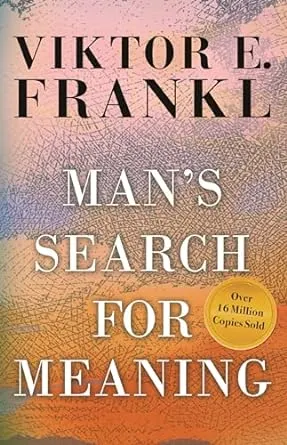
1. "Man's Search for Meaning" by Viktor Frankl:

The Subtle Art of Not Giving a F*ck" by Mark Manson

The Subtle Art of Not Giving a F*ck" by Mark Manson


Common Themes: Both books touch upon existential themes and the pursuit of a meaningful life. Viktor Frankl's "Man's Search for Meaning" draws on his experiences as a Holocaust survivor to explore the importance of finding purpose, even in the face of suffering. Similarly, Manson advocates for meaning over happiness, challenging readers to reevaluate their values.

Divergent Philosophies: While Frankl's work leans heavily on existential psychology and the power of finding purpose in suffering, Manson's philosophy is more pragmatic and grounded in everyday challenges. Frankl's focus on the search for transcendent meaning contrasts with Manson's emphasis on selecting meaningful values within the context of ordinary life.

Unique Contributions: "The Subtle Art" provides a more accessible and contemporary perspective on navigating life's challenges. Manson's direct and irreverent style contrasts with Frankl's more formal and academic approach, making the former more approachable for a broader audience.

2. "Atomic Habits" by James Clear:

The Subtle Art of Not Giving a F*ck" by Mark Manson

The Subtle Art of Not Giving a F*ck" by Mark Manson


Common Themes: Both books address the theme of personal development through intentional habits. James Clear's "Atomic Habits" explores the power of small habits in creating significant changes, while Manson's work encourages readers to choose intentional values as a foundation for personal growth.

Divergent Philosophies: Clear's approach is more prescriptive, providing detailed strategies for habit formation, whereas Manson focuses on broader philosophical shifts and mindset changes. While "Atomic Habits" provides a systematic guide, "The Subtle Art" offers a more overarching philosophy for navigating life.

Unique Contributions: Manson's work adds a layer of depth to the habit formation discussion by intertwining it with broader existential and philosophical considerations. While "Atomic Habits" is practical and action-oriented, "The Subtle Art" provides a more holistic framework for personal development.


The Subtle Art of Not Giving a F*ck" by Mark Manson

The Subtle Art of Not Giving a F*ck" by Mark Manson


Common Themes: Both books touch upon aspects of interpersonal relationships and personal effectiveness. Carnegie's classic work focuses on communication and building positive connections, while Manson's book delves into the subtleties of choosing meaningful relationships and navigating conflicts authentically.

Divergent Philosophies: Carnegie's work is rooted in traditional self-help principles, emphasizing positive thinking and interpersonal skills. Manson, on the other hand, challenges certain self-help tropes and advocates for a more realistic and nuanced approach to personal development.

Unique Contributions: While Carnegie's book is a foundational text in interpersonal skills, "The Subtle Art" extends the conversation by addressing the importance of authenticity and selective care in relationships. Manson's work complements the classic teachings with a contemporary and unconventional perspective.


The Subtle Art of Not Giving a F*ck" by Mark Manson


Common Themes: Both books explore the impact of mindset on personal development. Carol Dweck's "Mindset" introduces the concept of a fixed mindset versus a growth mindset, emphasizing the importance of cultivating a growth-oriented perspective. Manson's work, while not explicitly about mindset, encourages readers to adopt a mindset shift toward intentional living.

Divergent Philosophies: Dweck's focus is on the belief that abilities and intelligence can be developed through dedication and hard work. Manson, while acknowledging the importance of mindset, provides a broader philosophical framework that encompasses various aspects of life beyond achievement.

Unique Contributions: "The Subtle Art" complements the mindset discussion by integrating it into a broader exploration of values, adversity, and authenticity. Manson's work adds a layer of depth to the mindset conversation, making it part of a more comprehensive approach to personal development.

5. "The Power of Now" by Eckhart Tolle:


The Subtle Art of Not Giving a F*ck" by Mark Manson


Common Themes: Both books delve into the concept of living in the present moment. Tolle's "The Power of Now" emphasizes the transformative power of being present, while Manson's work touches upon the importance of embracing life's challenges and discomfort in the present.

Divergent Philosophies: Tolle's work leans heavily on spiritual and mindfulness teachings, advocating for a deep sense of presence. Manson's philosophy, while acknowledging the present, is more grounded in existential and pragmatic considerations.

Unique Contributions: "The Subtle Art" provides a counterpoint to the sometimes esoteric nature of mindfulness literature by offering a more relatable and actionable perspective. While Tolle's work explores the transcendental, Manson's work focuses on the tangible and the everyday.

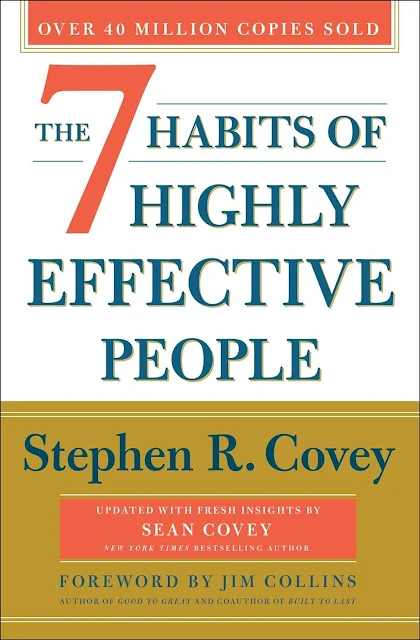
6. "The 7 Habits of Highly Effective People" by Stephen R. Covey:

The Subtle Art of Not Giving a F*ck" by Mark Manson

The Subtle Art of Not Giving a F*ck" by Mark Manson


Common Themes: Both books address principles for personal effectiveness. Covey's "The 7 Habits" outlines foundational habits for success, while Manson's work provides a philosophical framework for intentional living and value-based decision-making.

Divergent Philosophies: Covey's approach is structured and provides a systematic guide to personal and professional effectiveness. Manson's work, while acknowledging habits, delves into a broader exploration of values, discomfort, and authenticity.

Unique Contributions: Manson's work complements Covey's principles by adding a layer of depth to the discussion. While "The 7 Habits" is practical and action-oriented, "The Subtle Art" offers a more overarching philosophy for personal development.

Conclusion:

"The Subtle Art of Not Giving a F*ck" stands out in the landscape of self-help literature due to its unique blend of irreverent philosophy, practical wisdom, and unconventional approach. While it shares common themes with other notable works, such as the pursuit of meaning, intentional habits, and mindset shifts, Manson's book distinguishes itself by offering a more accessible and relatable perspective on navigating life's complexities. As readers explore the diverse landscape of personal development literature at Bookclues, the comparative analysis provides insights into the distinctive contributions of "The Subtle Art" and its place within the rich tapestry of self-help literature.

The Subtle Art of Not Giving a F*ck" by Mark Manson

The Subtle Art of Not Giving a F*ck" by Mark Manson


Recommendation: Navigating Life's Challenges with "The Subtle Art of Not Giving a F*ck"


Mark Manson's "The Subtle Art of Not Giving a F*ck" is not just a book; it's a refreshing perspective that has left an indelible mark on the landscape of self-help literature. As we explore the nuances of this paradigm-shifting work at Bookclues, it becomes evident that Manson's philosophy transcends the conventional boundaries of motivational literature. In this recommendation, we delve into the reasons why "The Subtle Art" is not just a read but a transformative journey worth embarking upon.

1. Realism in the Pursuit of Happiness:

Manson's book stands out for its realistic and unfiltered approach to the pursuit of happiness. In a world inundated with messages of relentless positivity and the pursuit of constant joy, "The Subtle Art" offers a breath of fresh air. Manson doesn't promise a perpetual state of bliss but instead guides readers towards a more nuanced understanding of happiness—one that embraces the inherent struggles and challenges of life. If you are seeking a genuine and pragmatic approach to well-being, this book is a must-read.

2. Liberating Philosophy of Selective Care:

The philosophy of selective care is a game-changer for those overwhelmed by the constant noise of societal expectations. Manson's concept of choosing what truly matters and allocating our limited "f*cks" intentionally is liberating. It empowers readers to sift through the myriad of concerns vying for their attention and focus on what aligns with their authentic values. If you've ever felt bogged down by the weight of external expectations, Manson's philosophy provides a roadmap to reclaiming your agency and living life on your terms.

3. Authenticity in a Sea of Positivity:

In a genre often characterized by saccharine positivity, "The Subtle Art" stands as a beacon of authenticity. Manson's no-nonsense and irreverent style resonate with readers seeking substance over superficial affirmations. The book's critique of the prevailing positivity culture is a breath of fresh air, challenging the notion that constant happiness is the key to a fulfilling life. If you've ever felt disillusioned by the pressure to maintain a facade of perpetual joy, Manson's candid approach will speak to your soul.

4. Practical Wisdom Grounded in Reality:

Manson doesn't just offer lofty ideals; he provides practical wisdom grounded in the realities of everyday life. The book is rich with relatable anecdotes, real-world examples, and actionable advice. Whether you're grappling with personal relationships, professional challenges, or existential questions, Manson's insights offer a guiding light. If you appreciate self-help literature that transcends platitudes and delves into the nitty-gritty of navigating life's complexities, "The Subtle Art" is a treasure trove of practical wisdom.

5. Resilience in the Face of Adversity:

Manson's philosophy encourages resilience in the face of adversity. By embracing life's inevitable challenges and reframing discomfort as a catalyst for growth, readers are empowered to navigate setbacks with courage. If you've ever felt overwhelmed by life's difficulties and yearned for a perspective that transforms adversity into an opportunity for personal development, Manson's insights will resonate deeply.

6. Thought-Provoking Exploration of Values:

Central to Manson's philosophy is the exploration of values. The book challenges readers to identify and align their actions with personally meaningful values, fostering a sense of purpose and authenticity. If you find yourself grappling with questions of identity and purpose, "The Subtle Art" offers a thought-provoking journey of self-discovery. Manson's approach to values goes beyond superficial aspirations, encouraging readers to dig deep and forge a genuine connection with their intrinsic motivations.

7. Relationship Insights for Authentic Connections:

"The Subtle Art" extends its wisdom into the realm of relationships, offering insights that transcend superficial interactions. Manson's philosophy advocates for authenticity in personal connections, encouraging readers to choose compatible partners and navigate conflicts with honesty. If you're seeking guidance on building meaningful relationships that stand the test of time, Manson's relationship insights are a valuable resource.

8. Invitation to Embrace Discomfort and Growth:

In a society that often values comfort and convenience, Manson's invitation to embrace discomfort as a catalyst for growth is transformative. The book challenges the cultural obsession with constant ease and encourages readers to step outside their comfort zones. If you're ready to embark on a journey of personal development that transcends the familiar and invites you to explore the unknown, "The Subtle Art" provides a roadmap for embracing discomfort as a pathway to genuine growth.

9. Impactful Critique of Conventional Wisdom:

"The Subtle Art" doesn't shy away from critiquing conventional wisdom, making it a thought-provoking read for those seeking a departure from the status quo. Manson's dismantling of positivity culture and his emphasis on personal responsibility provide a refreshing counterpoint to prevailing self-help narratives. If you've ever questioned the one-size-fits-all approach to happiness and success, Manson's critique offers a compelling alternative perspective.

10. Enduring Relevance and Timeless Wisdom:

One of the hallmarks of a truly impactful book is its enduring relevance. "The Subtle Art" continues to resonate with readers across diverse backgrounds and generations. Manson's timeless wisdom transcends fleeting trends, offering a philosophy that stands the test of time. If you're in search of a book with lasting impact—something that you can revisit and glean new insights from over the years—"The Subtle Art" is a literary companion for the journey of a lifetime.

Conclusion:

"The Subtle Art of Not Giving a F*ck" by Mark Manson is more than a book; it's a manifesto for intentional living, authenticity, and resilience. As we traverse the literary landscape at Bookclues, we wholeheartedly recommend Manson's work to those seeking a transformative journey. Whether you're a seasoned reader of self-help literature or just beginning your exploration, "The Subtle Art" invites you to embrace life's complexities, redefine your values, and navigate challenges with courage. Join us on a journey of introspection and empowerment, and discover the subtle art of living a life that truly matters.
The Subtle Art of Not Giving a F*ck" by Mark Manson

The Subtle Art of Not Giving a F*ck" by Mark Manson


Conclusion: Unveiling the Subtle Art of Living Authentically


As we conclude our exploration into the transformative pages of "The Subtle Art of Not Giving a F*ck" by Mark Manson at Bookclues, it's evident that Manson's work is not just a book; it's a philosophical journey that challenges, empowers, and reshapes our understanding of personal development. In this concluding reflection, we encapsulate the essence of Manson's philosophy and the profound impact it has had on readers who have dared to embrace the subtle art of intentional living.

The Resonance of Authenticity:

Manson's "The Subtle Art" strikes a resonant chord with readers seeking authenticity in a world often clouded by superficiality. The book's raw and unfiltered narrative invites readers to shed the faΓ§ade of constant positivity and embrace the authenticity that arises from acknowledging life's inevitable challenges. In a literary landscape crowded with idealized narratives, Manson's work stands as a testament to the enduring power of authenticity.

A Paradigm Shift in Perspective:

The philosophy embedded within these pages represents a paradigm shift—a departure from conventional self-help tropes towards a more pragmatic and relatable approach. Manson's irreverent tone and willingness to challenge established norms create a space for readers to question, reflect, and ultimately redefine their perspectives on success, happiness, and personal fulfillment.

Empowerment through Selective Care:

At the heart of Manson's philosophy lies the transformative concept of selective care. The subtle art of choosing what truly matters, of allocating our limited emotional resources intentionally, becomes a beacon of empowerment. Readers are invited to discard the unnecessary weight of societal expectations and focus on values that resonate authentically with their individual journeys.

Navigating Life's Complexities:

"The Subtle Art" is more than a guide; it's a compass for navigating the intricate terrain of life. Manson's insights on embracing discomfort, confronting adversity, and taking ownership of one's choices provide readers with practical wisdom for the inevitable challenges that life presents. It's a companion for those who seek not a smooth path, but a path worth traveling.

Balancing Positivity with Realism:

In critiquing the prevailing positivity culture, Manson introduces a refreshing balance—a recognition that life is a mosaic of both highs and lows. The book dismantles the illusion of perpetual happiness and invites readers to embrace the dichotomy of the human experience. In doing so, it cultivates a resilient mindset that is grounded in realism.

A Timeless Exploration of Values:

Manson's exploration of values extends beyond the pages of the book, echoing into the corridors of readers' lives. The invitation to identify and align actions with personally meaningful values becomes a compass for decision-making. It's a timeless exploration that transcends fleeting trends, offering a philosophy that remains relevant in the ever-evolving landscape of personal development.

Impact Beyond the Pages:

"The Subtle Art" is not confined to the boundaries of its covers; its impact reverberates beyond the reading experience. Readers find themselves questioning societal norms, making intentional choices, and navigating challenges with newfound resilience. Manson's work becomes a catalyst for personal growth, sparking conversations and reflections that extend into various facets of life.

The Art of Not Giving a F*ck:

Ultimately, the subtle art Manson unveils is not a call to indifference but a call to discernment. It's an invitation to redirect our attention to what truly matters and, in doing so, liberate ourselves from the burdens of societal expectations. The art lies in the conscious choice of where to invest our emotional energy, aligning our pursuits with values that resonate authentically with our unique journeys.

Invitation to the Bookclues Community:

As we conclude our exploration of "The Subtle Art of Not Giving a F*ck," we extend an invitation to the Bookclues community. Join us in this transformative journey—a journey that goes beyond the realms of conventional self-help literature. Share your reflections, engage in discussions, and explore the nuances of intentional living. Whether you're a seasoned seeker of wisdom or embarking on your first foray into self-help literature, Manson's work invites you to embrace the subtle art of living a life that aligns with your values and resonates with authenticity.

In the Subtle Art, We Find the Profound:

In the pages of "The Subtle Art of Not Giving a F*ck," Mark Manson doesn't just offer a book; he crafts a narrative that challenges, empowers, and transforms. It's a testament to the enduring power of literature—a power that extends beyond the act of reading into the realms of self-discovery and intentional living. As we bid farewell to this exploration at Bookclues, we carry with us the subtle art—an art that invites us to navigate life's complexities with authenticity, resilience, and a discerning heart.

The Subtle Art of Not Giving a F*ck" by Mark Manson

The Subtle Art of Not Giving a F*ck" by Mark Manson


Call to Action: Embrace the Subtle Art, Transform Your Life


As we wrap up our journey through the transformative pages of "The Subtle Art of Not Giving a F*ck" by Mark Manson at Bookclues, we don't just conclude a book review; we extend an invitation. The call to action is not merely to close the book and move on but to embrace the subtle art and embark on a journey of intentional living. Here are tangible steps and an earnest call to action for our Bookclues community:

1. Reflect on Your Values:

Take a moment to reflect on your core values. What truly matters to you? Manson's philosophy encourages us to identify and align our actions with values that resonate authentically. Consider creating a list of your core values and use it as a guiding compass for your decisions and pursuits.

Action Step: Journal about your values and how they currently align with your life choices. Identify areas where you can make intentional adjustments.

2. Embrace Discomfort:

Challenge yourself to embrace discomfort as a catalyst for growth. Manson's insight into the transformative power of confronting adversity invites us to step outside our comfort zones. Seek out opportunities that push your boundaries and allow yourself to grow through discomfort.

Action Step: Set a specific goal or take on a challenge that pushes you out of your comfort zone. Reflect on the experience and the growth it brings.

3. Practice Selective Care:

Apply the philosophy of selective care to your daily life. Evaluate the areas where you invest your emotional energy and discern what truly deserves your "f*cks." Let go of unnecessary concerns and focus on what aligns with your values and long-term well-being.

Action Step: Identify one aspect of your life where you can practice selective care. Whether it's in relationships, work, or personal pursuits, consciously choose where to invest your emotional energy.

4. Share Your Insights:

Join the Bookclues community in sharing your insights and reflections on "The Subtle Art." Engage in discussions, comment on the blog post, or participate in our social media channels. Your unique perspective contributes to the collective wisdom of our community.

Action Step: Share a key takeaway or a personal anecdote related to the book on our blog or social media. Connect with others who resonate with your insights.

5. Cultivate Authentic Connections:

Apply Manson's relationship insights to cultivate more authentic connections. Evaluate your personal relationships and assess whether they align with your values. Foster connections that contribute positively to your life.

Action Step: Reach out to someone in your life with authenticity. Share your thoughts, feelings, or experiences openly, fostering a deeper and more meaningful connection.

6. Read and Share More Books:

Expand your literary horizons by exploring more books that align with your journey of personal development. Share your reading list with the Bookclues community and discover new titles that resonate with your interests.

Action Step: Create a list of books that complement "The Subtle Art." Share your recommendations on our platform and discover new reads from fellow community members.

7. Attend Bookclues Events:

Stay engaged with the Bookclues community by attending events, webinars, or discussions related to personal development literature. Connect with like-minded individuals, exchange ideas, and enrich your understanding of intentional living.

Action Step: Check our events calendar and participate in upcoming Bookclues events. Engage in discussions, ask questions, and build connections within our community.
8. Live the Subtle Art Daily:

Integrate the subtle art into your daily life. Use Manson's philosophy as a daily guide for decision-making, resilience, and intentional living. The transformative power lies not just in reading the book but in embodying its principles.

Action Step: Choose one principle from "The Subtle Art" and consciously apply it to your daily life for the next month. Track your experiences and observe the impact on your overall well-being.

Conclusion: Be the Change, Live the Art:

The call to action is an invitation to not only absorb the wisdom within "The Subtle Art of Not Giving a F*ck" but to actively apply its principles and share your journey with the Bookclues community. Embrace the subtle art, transform your life, and become an integral part of a community dedicated to intentional living and authentic growth. Together, let's navigate the complexities of life with courage, resilience, and the discerning heart of someone who has embraced the subtle art.


The Subtle Art of Not Giving a F*ck" by Mark Manson

The Subtle Art of Not Giving a F*ck" by Mark Manson


About the Author: Mark Manson


Mark Manson, the brilliant mind behind "The Subtle Art of Not Giving a F*ck," is not your typical self-help guru. Born on March 9, 1984, in Austin, Texas, Manson has carved a unique niche for himself in the world of personal development literature. His unorthodox approach, irreverent style, and commitment to raw authenticity have made him a prominent figure in the genre.
Early Life and Education:

Manson's journey into the realm of personal development began with his own struggles and introspections. Growing up in Austin, he navigated the challenges of adolescence and early adulthood, facing existential questions that would later shape his philosophical outlook. Manson pursued a degree in International Business at Boston University, laying the foundation for a global perspective that would influence his writing.

The Journey to Blogging:

Mark Manson's entry into the world of blogging marked the inception of his distinctive voice. Starting with a blog titled "Postmasculine," Manson explored themes of personal development, relationships, and lifestyle. His writings resonated with a diverse audience, capturing attention with their refreshing honesty and a departure from traditional self-help narratives.

The Pioneering Articles:

Several of Manson's articles gained widespread recognition and became viral sensations. "The Subtle Art of Not Giving a F*ck," an article that preceded the book, struck a chord with readers worldwide. Manson's straightforward and no-nonsense approach to life's challenges resonated with a generation seeking authenticity in a sea of superficial positivity.

Expanding Influence:

Manson's impact expanded with the launch of his first book, "Models: Attract Women Through Honesty," which delved into the intricacies of dating and relationships. While his initial foray focused on aspects of masculinity, Manson's evolution as an author broadened his scope, encompassing universal themes of human experience.

"The Subtle Art of Not Giving a F*ck":

Published in 2016, "The Subtle Art of Not Giving a F*ck" catapulted Manson to international acclaim. The book challenged established norms in the self-help genre, critiquing the relentless pursuit of happiness and offering a pragmatic philosophy rooted in intentional living. Manson's willingness to address discomfort, adversity, and the limitations of positivity culture resonated deeply, making the book a global bestseller.

Philosophical Underpinnings:

Manson's philosophy is grounded in existentialist and stoic principles, emphasizing the importance of embracing life's uncertainties and finding meaning in personal responsibility. His work reflects a departure from the idealized narratives often found in the self-help space, presenting a raw and unfiltered perspective on the complexities of the human experience.

Beyond "The Subtle Art":

Following the success of his debut book, Manson continued to contribute to the literary landscape with titles like "Everything is F*cked: A Book About Hope." His writing extends beyond books to articles, speaking engagements, and a continued presence in the online space. Manson's ability to distill profound insights into accessible and relatable narratives has solidified his position as a thought leader in the field.

Personal Life and Impact:

Mark Manson's authenticity extends beyond his writings, resonating with readers who appreciate his candid approach to personal development. His impact reaches beyond the pages of his books, inspiring a global community to question societal norms, embrace discomfort, and live intentionally.

Conclusion:

Mark Manson's journey from a blogger challenging conventional wisdom to an international bestselling author reflects a commitment to authenticity and a nuanced exploration of the human experience. As we delve into "The Subtle Art of Not Giving a F*ck" at Bookclues, we celebrate Manson's unique voice and the indelible mark he has left on the world of personal development literature.

The Subtle Art of Not Giving a F*ck" by Mark Manson

The Subtle Art of Not Giving a F*ck" by Mark Manson